You know that feeling when you’re sipping your morning coffee, scrolling through your phone, and suddenly a headline makes you sit up straight? That happened to me last week. I was half-listening to a podcast while folding laundry—my toddler had just discovered that socks make excellent catapult ammunition—when I heard the words “Schengen area” and “new restrictions.” My brain went, “Wait, what?”
I’ll be honest: for a long time, European news felt like something that happened to other people. You know, the ones with perfectly curated Instagram feeds of croissants in Paris or gondola rides in Venice. But as someone who’s planning a family trip to Italy next spring (fingers crossed, no more laundry catastrophes), I realized I needed to pay attention. So I dove into the latest EU updates, and what I found surprised me—and made me feel a little more connected to the continent I’ve always dreamed of exploring.
The Schengen Shuffle: What’s Actually Changing?
Let’s start with the big one: Schengen. If you’re like me, you might remember it as that magical border-free zone where you can drive from Germany to France without stopping for a passport check. It’s the reason my college roommate once took a spontaneous weekend trip to Amsterdam from Berlin, just because she could. But lately, it’s been making headlines for less dreamy reasons.
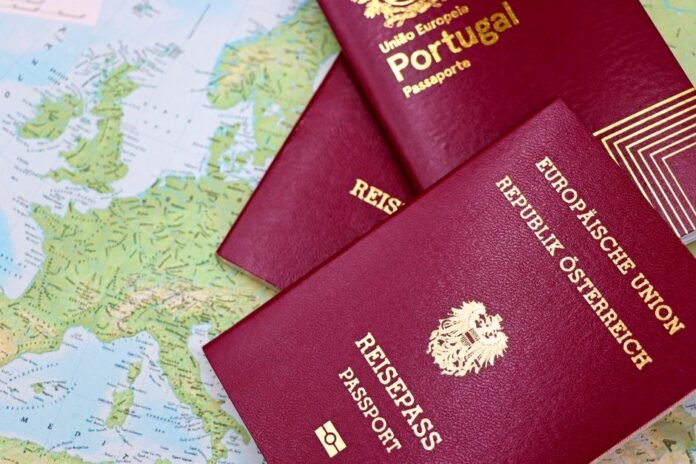
In 2024, the EU announced a major update: the Entry/Exit System (EES) is finally rolling out. Basically, instead of stamping passports, they’ll use biometric data—fingerprints and facial scans—for non-EU travelers entering the Schengen area. I’ll admit, my first thought was, “Great, another queue at the airport.” But then I read more. The goal is to track overstays and make travel more secure. For us regular folks, it means a bit more paperwork upfront, but hopefully smoother border crossings in the long run.
I remember my last trip to Europe in 2019. I was flying from London to Rome, and the line at passport control stretched so far that I missed my connecting train. I ended up eating a sad airport sandwich and rebooking everything on my phone while a pigeon judged me from a nearby bench. If the new system cuts that chaos, I’m all for it. But I also get the anxiety: change is scary, especially when it involves your travel plans.
Another update? Some Schengen countries are temporarily reintroducing internal border checks. Austria, Germany, and France have done this to manage migration or security concerns. It’s not a permanent wall, but it’s a reminder that even the most open borders can have cracks. For me, it’s a nudge to always check the latest travel advisories before booking—something I used to skip because I thought, “Oh, it’s Europe, it’s fine.” Spoiler: it’s not always fine, but it’s still beautiful.
The EU’s Big Digital Push: My Love-Hate Relationship with Tech
Speaking of change, the EU is also rolling out the European Travel Information and Authorisation System (ETIAS). Think of it as the European version of the U.S. ESTA. Starting in 2025 (yes, it’s been delayed a few times, but it’s coming), travelers from visa-exempt countries like the U.S., Canada, and Australia will need to apply online before visiting. It costs about €7, lasts three years, and involves answering a few questions. Sounds simple, right?
But here’s where my inner skeptic kicks in. I once spent an entire afternoon trying to renew my passport online—only to realize I’d uploaded the wrong photo format and had to start over. My toddler thought it was hilarious to press the “cancel” button repeatedly. So the idea of another digital hoop makes me a little twitchy. But honestly? If it means less time in queues and more time eating gelato in Florence, I’ll take it.
I also love that the EU is pushing for digital nomad visas and better connectivity. Countries like Portugal, Spain, and Estonia now offer special permits for remote workers. My best friend just moved to Lisbon for six months, and she’s been raving about the co-working spaces and the fact that she can take a train to the beach after work. It makes me wonder: could I pull off a month in Europe with my laptop and a stack of notebooks? Maybe after my kid starts school. For now, I’ll live vicariously through her Instagram stories of pastel de nata.
What I find most inspiring is how the EU is trying to balance security with freedom. They’re not just closing borders; they’re creating systems that adapt to modern life. It’s messy, it’s imperfect, but it’s also a reminder that Europe is a living, breathing experiment in cooperation. And as someone who’s seen how quickly things can change (hello, pandemic), I appreciate the effort.
Why This Matters to Me (and Maybe You)
So why am I writing all this? Because I think we often treat European news as background noise—something for politicians and travel experts to worry about. But it affects real people like you and me. It affects the dream of a summer road trip through the Alps, or the plan to visit a friend in Barcelona, or even just the hope of a stress-free layover in Amsterdam.
I remember my first trip to Europe alone, right after college. I was terrified, broke, and carrying a suitcase that weighed more than me. But I also felt this incredible sense of possibility—like I could just walk across a border and discover a new world. That feeling is still there, but it’s wrapped in a layer of reality now. We have to plan, we have to adapt, we have to pay attention.
Here’s what I’m doing to stay on top of it all:
- Bookmarking official EU travel sites—no more relying on outdated blog posts from 2018.
- Setting reminders for ETIAS applications—I’ll do it the day my flight is booked, not the night before.
- Following a few reliable European news outlets—like Euronews or The Local—so I hear about changes before they catch me off guard.
And you know what? It’s actually kind of empowering. Instead of feeling overwhelmed by the headlines, I feel like I’m in the driver’s seat. I can plan a trip that’s not just about the perfect photo, but about understanding the place I’m visiting. That’s the real magic of travel, isn’t it? Not just seeing new things, but feeling like you belong to a bigger story.
So here’s my heartfelt takeaway: Don’t let the news scare you away from Europe. Let it guide you. The EU and Schengen are evolving, and so are we. We can be flexible, we can be informed, and we can still chase those sunsets over the Seine or the hills of Tuscany. The borders might have a few more checks, but the adventure is still wide open.
Now, if you’ll excuse me, I have to go untangle my toddler from a pile of laundry. But first, I’m going to check the latest Schengen updates—because even a mom with a catapult-loving kid deserves a little wanderlust. 🤍