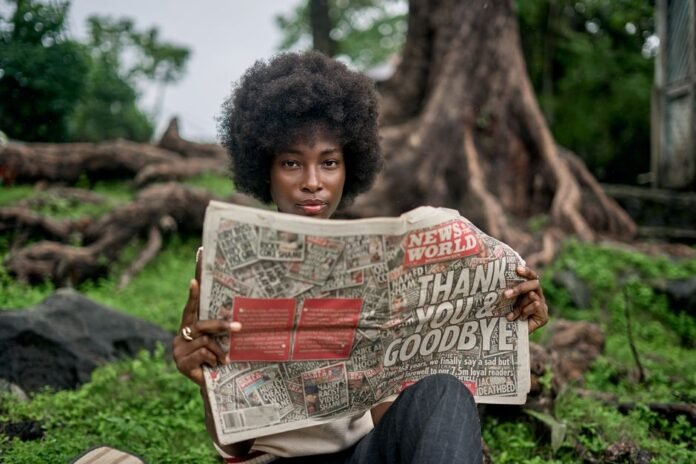
You know that feeling when you open your phone, see a notification about something happening on the other side of the world, and you just… swipe it away? I used to do that all the time. I’d tell myself, “Emma, you have enough on your plate. The laundry is piling up, you’re behind on emails, and your dog just ate a sock. You don’t have the emotional bandwidth for a refugee crisis in another continent.” But then I realized something: ignoring the world doesn’t make it go away. It just makes me feel small and disconnected. So, I decided to change my relationship with global news. And honestly? It’s been one of the most grounding shifts I’ve made in years.
The Day the World Knocked on My Door
Let me set the scene. It was a Tuesday. I was curled up on my couch, half-watching a reality show about people who bake cakes that look like other foods. My phone buzzed—a breaking news alert about a massive earthquake in a country I’d only ever seen in travel magazines. My first instinct? Scroll past. But then I thought about my friend Priya, who grew up in that region. I thought about how she’d be feeling right now, probably glued to her phone, waiting for word from her family. Suddenly, the headlines weren’t abstract. They were personal. I texted Priya, and we ended up talking for an hour. She shared her fear, her hope, and her frustration with how the media often reduces her homeland to a disaster statistic. That conversation changed something in me. I realized that global news isn’t just about “them”—it’s about “us.” It’s about the threads that connect our lives, even when we’re thousands of miles apart.
Since then, I’ve made a conscious effort to engage with international stories in a way that feels sustainable. Not by doomscrolling, but by curating my sources. I now follow a few trusted outlets that focus on solutions-oriented journalism, and I’ve subscribed to a newsletter that sends one concise global update each morning. It’s like a daily vitamin for my worldview—small, digestible, and surprisingly empowering.
How I Learned to Carry the World Without Crumbling
I’ll be real with you: there are days when the weight of it all feels too heavy. A war here, a famine there, a climate disaster everywhere. It’s easy to feel helpless, like a tiny speck in a chaotic universe. But I’ve found a few practices that help me stay informed without losing my mind. First, I set a boundary: no global news after 8 p.m. My brain needs time to decompress, and reading about geopolitical tensions right before bed is a recipe for anxiety dreams. Second, I look for the helpers. Remember that Fred Rogers quote about looking for the helpers in a crisis? It’s real. When I read about a humanitarian aid worker in Ukraine or a grassroots organization planting trees in the Amazon, I feel a spark of hope. It reminds me that even in the darkest stories, there are people showing up with courage and compassion.
Another game-changer? Talking to people who are actually living those stories. Last month, I joined a virtual book club focused on memoirs from women in conflict zones. We read a book by a Syrian refugee who now runs a bakery in Germany. Her story wasn’t just about loss—it was about resilience, creativity, and the smell of fresh bread. It made me realize that global news isn’t just about problems; it’s about humanity in all its messy, beautiful, and stubbornly hopeful forms. So now, when I see a headline about a protest in a faraway country, I try to imagine the people behind it. The mom holding a sign, the teenager filming on their phone, the shopkeeper sweeping up after a march. They’re not just data points. They’re living, breathing people, just like you and me.
Three Simple Ways to Stay Connected Without Overwhelm
If you’re ready to dip your toes into the global conversation but don’t know where to start, here are three things that have worked for me:
- Pick one region to focus on. Instead of trying to follow every single international event, choose a country or region that sparks your curiosity. Maybe it’s where your ancestors came from, or a place you’ve always dreamed of visiting. Dive deep into its culture, politics, and daily life. You’ll build a meaningful connection without the noise.
- Use social media wisely. Follow journalists, activists, or local creators who share on-the-ground perspectives. But unfollow accounts that make you feel anxious or helpless. Your feed should be a garden, not a dumpster fire.
- Take one small action. It doesn’t have to be donating money. It could be sharing a well-researched article, writing a letter to your representative, or simply having a conversation with a friend. Action, even small, turns helplessness into hope.
I remember one night, after reading about a water crisis in a village in India, I felt this urge to do something. I couldn’t fix the whole problem, but I could learn more. So I watched a documentary about rainwater harvesting, and then I installed a rain barrel in my own backyard. It felt tiny, almost silly. But every time I water my tomato plants with that collected rain, I think about that village. And I feel connected—not burdened, but part of a larger story.
My Heartfelt Takeaway
Here’s what I’ve come to believe: the world is not a problem to be solved, but a family to be known. When I stopped hiding from the headlines and started engaging with them as a curious, compassionate human being, something shifted. I felt less alone. I realized that the same fears, joys, and hopes that fill my little life are echoed in every corner of the globe. The mom in Argentina worrying about her kid’s school fees. The farmer in Kenya praying for rain. The teenager in Tokyo dreaming of becoming a musician. We are all part of this messy, magnificent tapestry.
So, if you’ve been avoiding the news because it feels too big, too sad, too far away—I get it. Take your time. But when you’re ready, take a small step. Read one article. Text a friend who lives abroad. Light a candle for a place you’ve never been. Because the truth is, we’re not just citizens of our own little worlds. We’re citizens of each other. And that’s a headline worth paying attention to. 🤍