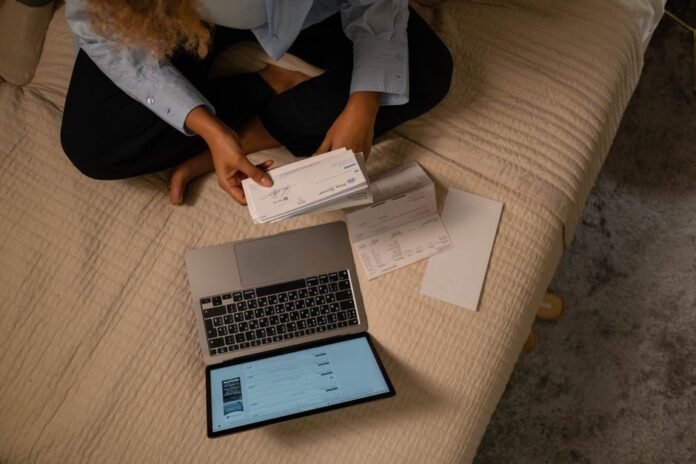
Okay, let’s be real for a second. For the longest time, the words “business,” “finance,” and “economy” made me want to crawl under my duvet with a cup of tea and a good rom-com. They felt like big, scary, male-dominated words—things that belonged in boardrooms and stock market tickers, not in my cozy little world of budgeting for groceries and dreaming about my side hustle. But then, something shifted. It wasn’t a sudden windfall or a magic formula. It was a slow, awkward, and sometimes embarrassing realization that these concepts are actually just… life. They’re the air we breathe in our daily choices, and ignoring them was like trying to hold my breath forever.
The Day My Credit Card Called Me Out
Let me tell you about the moment it all clicked. It was a rainy Tuesday afternoon. I was scrolling through my bank app—something I did with the same dread I reserved for dentist appointments—and I saw a notification: “You’ve been charged a late fee.” My stomach dropped. It was only $35, but it felt like a slap. I had forgotten to pay my credit card bill because I was too busy “living my life.” I remember slumping onto my kitchen counter, staring at a pile of avocado toast crumbs, and thinking, “This is ridiculous. I’m a grown woman who can’t even manage a bill.”
That night, I did something I’d never done before: I sat down with a notebook and a cup of coffee (no distractions) and wrote down every single dollar I owed, earned, and spent. It was ugly. There were tears. I discovered I was spending $80 a month on subscription services I barely used—hello, that gym membership I hadn’t visited since 2021. But here’s the thing: once I saw the mess, I could start cleaning it up. I canceled three subscriptions, set up automatic payments, and started a tiny emergency fund. That $35 late fee became my wake-up call. It wasn’t about being perfect with money; it was about being present with it.
Why Your Side Hustle Is Actually an Economy Lesson
Now, let’s talk about the economy—that big, vague thing we hear about on the news. I used to think it had nothing to do with me. But then I started a little Etsy shop selling handmade candles. (Yes, I’m that girl.) At first, it was just a fun hobby. But as I started pricing my candles, paying for materials, and dealing with shipping costs, I realized I was living the economy in miniature. When the price of soy wax went up because of supply chain issues, I had to raise my prices. Customers complained. I felt guilty. But then I remembered: this is how businesses work. The economy isn’t some abstract force; it’s the cost of wax, the price of gas to deliver your order, and the decision to buy local versus big-box.
One day, a friend asked me, “How do you even know if your business is profitable?” I laughed nervously and admitted I wasn’t sure. So I did the math. I calculated my cost per candle (wax, wick, jar, label, shipping) and compared it to my selling price. I was shocked to see I was barely breaking even. I had to pivot—find cheaper suppliers, buy in bulk, and adjust my pricing. It felt like a crash course in microeconomics, but it was also empowering. I learned that “the economy” is just a fancy word for the choices we make every day: what to buy, what to sell, and how much it’s worth. And honestly, once I stopped being scared of that, I felt like I could handle anything.
The Simple Shift That Changed Everything
So, what’s the takeaway? For me, it was realizing that business, finance, and economy aren’t separate from my life—they’re the backbone of it. I used to think I needed a degree in economics or a trust fund to feel in control. But now I know that the most powerful tool is just showing up. Here are a few things I’ve learned that might help you too:
- Track your money like you track your steps. You don’t need a fancy app—just a notebook. Seeing where your money goes is the first step to making it work for you.
- Start small with business. Even a lemonade stand teaches you about profit, loss, and customer service. My candle shop taught me more than any textbook ever could.
- Remember that the economy is just people. When prices go up, it’s not a personal attack. It’s a system adjusting. And you can adjust too—by being creative, resourceful, and kind to yourself.
I still have moments where I feel overwhelmed. Just last week, I saw my car insurance bill and nearly choked on my latte. But now, instead of panicking, I take a deep breath, open my notebook, and ask, “What can I do about this?” Sometimes the answer is nothing, and that’s okay. But most of the time, there’s a small step I can take—like calling to negotiate a rate or setting aside a little extra cash. It’s not glamorous, but it’s real.
Here’s my heartfelt takeaway: You don’t have to be a finance guru to feel in control. You just have to be brave enough to look at your numbers, curious enough to learn, and gentle enough with yourself when you mess up. Because we all mess up. I’ve paid late fees, bought things I didn’t need, and ignored my budget for weeks at a time. But every time I come back, I’m a little wiser. And that’s the real wealth—not the money, but the peace of mind that comes from knowing you’re showing up for yourself.
So here’s to messy budgets, imperfect side hustles, and the economy of our everyday lives. You’ve got this. And if you don’t, that’s okay too—just start where you are. 🤍