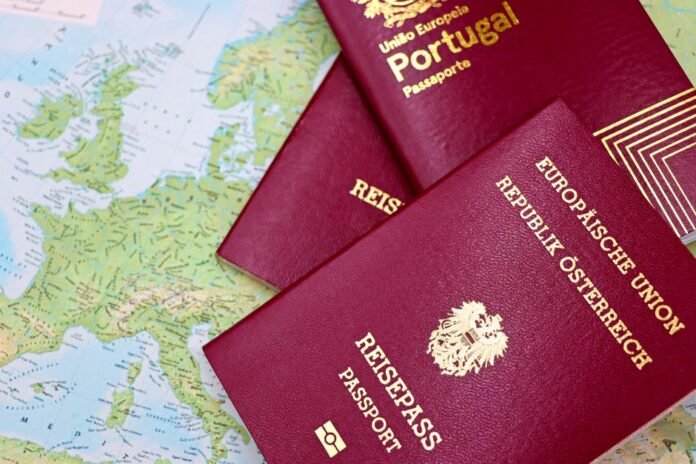
Okay, let’s be real for a second. When I first started hearing about “European news” and “EU policy changes” and “Schengen updates,” my eyes kind of glazed over. I mean, isn’t that stuff for politicians and people who actually understand what a “directive” is? But then something happened that made me sit up and pay attention—and it involved a very unglamorous trip to the grocery store.
It was a rainy Tuesday afternoon. I was standing in the cheese aisle at my local supermarket, staring at a block of French Brie that cost more than my last phone bill. My friend Lisa texted me a photo of herself in a tiny Italian village, holding a gelato that looked like it was made by angels. “Wish you were here!” she wrote. And I thought, “I could be there. I could be eating that gelato right now.” But then I remembered the last time I tried to plan a spontaneous weekend to Amsterdam—and the headache that followed with visa rules, border checks, and a confusing app that told me I needed to “register” my entry.
That’s when I decided to actually dig into what’s happening with the EU and Schengen area. Because let’s face it, if you’re a traveler—or even just someone who dreams of a quick city break—this stuff matters. So grab your coffee (or tea, I don’t judge), and let me break it down like we’re chatting over brunch.
What’s Actually Changing in Schengen? (And Why You Should Care)
First, a quick refresher: The Schengen Area is that magical zone where 27 European countries decided to ditch internal border controls. You can drive from Paris to Berlin without showing a passport. It’s the reason my cousin once drove from Munich to Vienna just for a schnitzel. But lately, it’s been feeling less magical and more… complicated.
Here’s the big news: Starting later this year (or early next, depending on who you ask), the EU is rolling out the Entry/Exit System (EES). It’s an automated system that will track every non-EU traveler’s entry and exit—fingerprints, facial scans, the works. And then there’s the ETIAS, a travel authorization that non-EU citizens will need to apply for before visiting. Think of it like the U.S. ESTA, but for Europe.
I’ll be honest, when I first read about this, I panicked. “Wait, I need to apply for permission just to visit Italy?” But here’s the thing—it’s actually designed to make travel smoother in the long run. No more stamping passports, no more long queues at border checks. But the catch? It’s rolling out slowly, and some countries are already reinstating temporary border controls. For example, Germany and France have brought back checks at some land borders due to migration concerns. So if you’re planning a road trip through multiple Schengen countries, you might actually have to show your passport at a random checkpoint. Yes, even in 2024.
My personal anecdote? Last summer, I drove from Switzerland to Italy. At the border, I was waved through with a smile. But my friend who drove from Germany to Denmark a few weeks later was stopped and asked for her ID. It’s inconsistent right now, and that’s the part that makes me nervous. I don’t want my spontaneous gelato dreams to be ruined by a surprise border check.
How the EU’s Big Decisions Affect Our Everyday Lives
Okay, let’s zoom out from borders for a second. The EU isn’t just about travel—it’s also about the stuff we buy, the food we eat, and even the air we breathe. Remember that Brie I was staring at? The EU has strict rules on food labeling, pesticide use, and even the size of eggs (yes, really). When the EU makes a decision, it ripples into our daily lives, whether we’re in Europe or just buying European products.
For instance, the EU recently passed a law requiring all new smartphones to have USB-C chargers by 2024. That means no more hunting for a random cable when you borrow a friend’s charger. It’s a small win, but it’s the kind of thing that makes you think, “Wow, someone actually thought about this.”
But there’s also the bigger stuff. The EU is pushing hard on climate policy, like the “Fit for 55” plan to reduce emissions by 55% by 2030. That affects everything from car manufacturing to how we heat our homes. And then there’s the digital euro—a potential central bank digital currency that could change how we pay for things. I don’t know about you, but the idea of a digital euro makes me feel like I’m living in a sci-fi movie. But also, I kind of love the convenience.
Here’s where my second personal anecdote comes in. Last month, I tried to order a pair of shoes from a small Italian brand. The website said they couldn’t ship to my address because of new EU customs rules. I was annoyed, but then I realized: the rules are meant to protect small businesses and ensure fair competition. It’s not about making my life harder—it’s about making the system fairer. Still, I had to buy the shoes from a local store instead, and honestly, they were even cuter in person. Sometimes the universe just wants you to support local shops, right?
What This Means for Your Next European Adventure (Practical Tips)
So, how do we actually navigate all this without losing our minds? I’ve been doing some research (and making a few mistakes along the way), so here are my top tips for anyone planning a trip to Europe in the next year:
- Check your passport validity. The EU now requires that your passport be valid for at least three months beyond your planned departure date. I almost got turned away at the airport last year because my passport was expiring in two months. Learn from my panic.
- Sign up for ETIAS alerts. The system isn’t live yet, but when it is, you’ll need to apply online. It costs about €7 and is valid for three years. I’ve already set a reminder on my phone for when it launches.
- Be prepared for spot checks. Even if you’re traveling within Schengen, some countries have temporary border controls. Keep your passport handy, especially if you’re driving or taking a train.
- Download the EU’s travel app. There’s an official app called “Travel Europe” that gives real-time updates on border rules. I tested it on a recent trip to Portugal, and it actually worked—no ads, no nonsense.
- Don’t overpack your itinerary. With all these changes, flexibility is key. If a border check adds an hour to your drive, you’ll be glad you left some buffer time.
I also want to mention the human side of all this. When I think about the EU and Schengen, I think about my grandmother, who fled a war-torn country and found safety in Europe. The open borders weren’t just about tourism for her—they were about freedom. So while I might grumble about a new form or a longer wait, I try to remember that these systems exist to protect people and create stability. It’s easy to get lost in the logistics, but at the heart of it, the EU is about connection.
So here’s my heartfelt takeaway: Don’t let the news overwhelm you. Yes, things are changing. Yes, you might need to fill out a new form or show your passport a few extra times. But the beauty of Europe—the cobblestone streets, the late-night espresso, the feeling of crossing a border without a second thought—is still there. It’s just evolving. And honestly, I think that’s okay. We evolve too.
Next time I’m standing in that cheese aisle, I’ll smile and think, “One day, I’ll be eating Brie in Paris, and it will be worth every bit of paperwork.” Until then, I’ll keep my passport ready, my ETIAS alert on, and my heart open to the adventure. 🤍