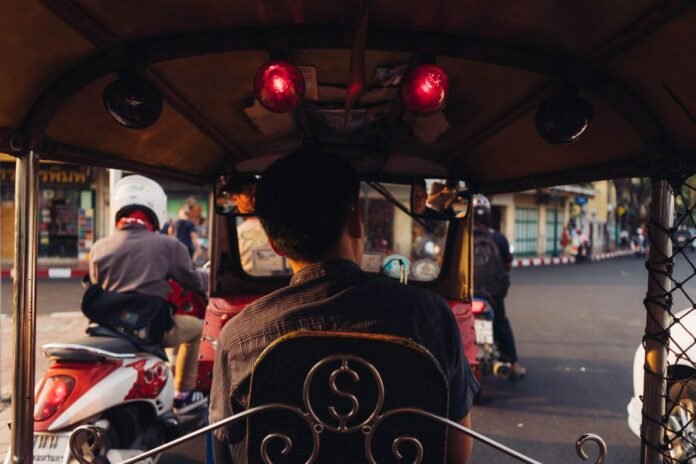
Okay, let’s be real for a second. When was the last time you actually sat down and read a news story about Southeast Asia? For me, it used to be a quick scroll past a headline about a typhoon or a trade deal, and then I’d move on to something that felt more… relevant to my life. But lately, something shifted. Maybe it’s the way my favorite coffee shop started serving a coconut pandan latte. Or maybe it’s because I finally binged that Netflix series set in Bangkok. Whatever it was, I started paying attention—and wow, I had no idea what I was missing.
I’m talking about the Pacific and Southeast Asia—a region that’s buzzing with energy, innovation, and stories that actually hit close to home. So grab your tea (or your own coconut latte), and let me share why I’ve become totally obsessed with what’s happening over there. Trust me, it’s not just about politics or weather reports.
Why I Started Paying Attention (And How It Changed My Morning Routine)
It all started with a simple moment of frustration. Last month, I was trying to plan a weekend getaway with my best friend, Sarah. We were stuck in that classic loop: “Where should we go?” “I don’t know, somewhere cheap and warm?” “But also safe and fun?” After an hour of scrolling, I jokingly said, “Let’s just go to Bali.” And then I actually started looking into it.
That’s when I stumbled onto a piece of Asian news about how Southeast Asian countries are redefining tourism post-pandemic. I’m not kidding—I spent the next two hours reading about eco-resorts in Thailand, digital nomad hubs in Vietnam, and community-led travel in the Philippines. It was like opening a door to a world I’d only ever seen in Instagram filters. But here’s the thing: it wasn’t just about travel. I started noticing how much of what’s happening in the Pacific and Southeast Asia actually affects my daily life—from the mangoes in my grocery store to the tech gadgets I use.
One morning, I was making my usual oatmeal (boring, I know), and I caught a news snippet about rising sea levels in the Pacific Islands. It hit me differently. I thought about the women who run small businesses on those islands, the families who grow the spices in my kitchen, and the young activists fighting for climate justice. Suddenly, it wasn’t a distant headline—it was personal. And that’s when I decided to make a change. Now, I start my day by reading one short article about the region. It takes five minutes, but it makes me feel more connected to the world—and way less overwhelmed by my own to-do list.
The Stories That Made Me Laugh, Cry, and Reconsider My Shopping Habits
Okay, so let me share a specific story that really got me. I was scrolling through my feed (because, guilty as charged) and saw a post about a woman in the Philippines who started a zero-waste store in her village. She was using banana leaves to wrap groceries instead of plastic. I literally stopped mid-scroll and said out loud, “Wait, that’s genius.”
That led me down a rabbit hole of news about sustainability in Southeast Asia. Did you know that some countries in the region are leading the world in plastic waste reduction? Or that there’s a growing movement of women entrepreneurs in Vietnam who are turning discarded coffee grounds into skincare products? I felt a mix of awe and embarrassment—like, here I am, complaining about my reusable bag getting dirty, while these women are building entire businesses from waste.
And it’s not just about the environment. I read about a group of teenagers in Thailand who created an app to help elderly neighbors access healthcare during floods. I actually teared up a little. It reminded me of the time my grandma had to navigate a snowstorm alone, and I wished there was a way to help her from across the country. These stories aren’t just inspiring—they’re practical. They make me think, “What can I do in my own community?”
I’ll be honest, though, not everything is rosy. I also read about the Rohingya crisis and the struggles of migrant workers in Malaysia. It’s heavy stuff. But I’ve learned that ignoring it doesn’t make it go away. Instead, I’ve started supporting organizations that work in the region, like those providing education for refugee children. It’s a small step, but it makes me feel like I’m part of something bigger.
How You Can Stay Informed Without Feeling Overwhelmed
I know what you’re thinking: “Emma, this sounds great, but I already have a million things on my plate. How do I keep up with Asian news without burning out?” Girl, I hear you. I’m the queen of information overload. But here’s what’s worked for me:
- Pick one source you trust. I follow a newsletter called “Southeast Asia Weekly” that sends a short digest every Sunday. It’s like a friend giving you the highlights over coffee.
- Focus on human stories. Instead of reading dry political analysis, look for articles that profile real people. It’s way more relatable—and you’ll remember it longer.
- Connect it to your life. Whenever I read about a new trend or challenge in the region, I ask myself, “How does this affect me?” It could be something as simple as a food trend or as big as a climate policy. It makes the news feel relevant.
- Take action when you can. Even if it’s just sharing a story with a friend or buying from a brand that supports fair trade in Southeast Asia, small actions add up.
One last tip: don’t be afraid to start with something fun. I began by watching a YouTube channel run by a Filipino family who cooks traditional recipes. Then I moved on to documentaries. Before I knew it, I was genuinely curious about the region’s politics and economy. It’s like building a friendship—you start with the fun stuff, and then you get to the deeper conversations.
So here’s my heartfelt takeaway: the Pacific and Southeast Asia aren’t just places on a map. They’re full of real people with real stories that can teach us, inspire us, and even make us laugh. By paying attention, I’ve not only learned more about the world—I’ve learned more about myself. And honestly, that’s the best kind of news there is. 🤍